
Understanding the Causes of Acne Scars and Effective Prevention Strategies

Acne scars can leave lasting marks on the skin, affecting confidence and appearance long after the acne itself has cleared. Understanding what causes these scars and how to prevent them is key to maintaining healthy, smooth skin. This post explores the main reasons acne scars form and offers practical tips to reduce the risk of scarring.
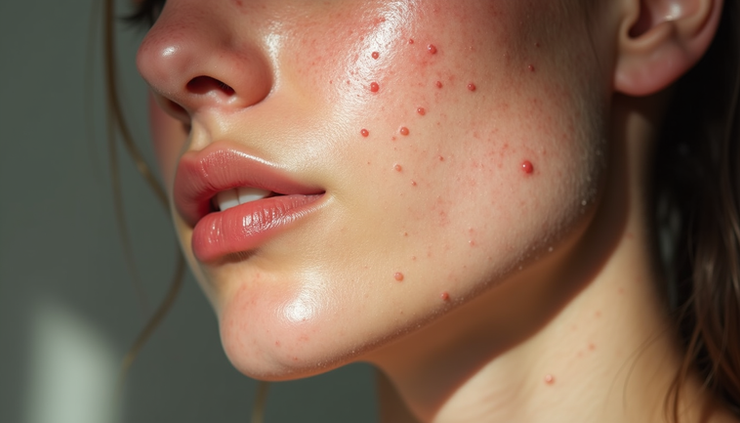
What Causes Acne Scars
Acne scars develop when the skin’s healing process is disrupted after acne lesions. The severity and type of acne, as well as how the skin responds to inflammation, play major roles in scar formation.
Inflammation and Skin Damage
When acne becomes inflamed, the skin tissue suffers damage. The body tries to repair this damage by producing collagen. If too little collagen forms, the skin develops depressed scars such as ice pick or boxcar scars. If too much collagen forms, raised scars called keloids or hypertrophic scars can appear.
Types of Acne That Lead to Scarring
Cystic acne: Deep, painful cysts cause significant skin damage and are more likely to scar.
Nodular acne: Large, hard lumps under the skin can also damage tissue.
Severe inflammatory acne: Intense redness and swelling increase the risk of scarring.
Picking and Squeezing Acne
Touching, picking, or popping pimples forces bacteria deeper into the skin and increases inflammation. This behavior disrupts healing and greatly raises the chance of permanent scars.
Delayed or Inadequate Treatment
Ignoring severe acne or using ineffective treatments allows inflammation to persist longer. Prolonged inflammation damages skin tissue and increases scarring risk.
Different Types of Acne Scars
Understanding the types of scars helps in choosing the right prevention and treatment methods.
Atrophic scars: Depressed scars caused by collagen loss. Includes ice pick, boxcar, and rolling scars.
Hypertrophic scars: Raised scars caused by excess collagen.
Keloid scars: Thick, raised scars that extend beyond the original wound.
How to Prevent Acne Scars
Preventing acne scars starts with managing acne effectively and protecting the skin during the healing process.
Early and Effective Acne Treatment
Start treating acne as soon as it appears. Consult a dermatologist for appropriate medications such as topical retinoids, antibiotics, or oral treatments. Early control of inflammation reduces skin damage.
Avoid Picking or Squeezing Pimples
Resist the urge to pop or pick at acne. This simple step prevents bacteria spread and reduces inflammation, lowering the chance of scars.
Use Gentle Skincare Products
Harsh scrubs and irritating products worsen inflammation. Use gentle cleansers and moisturizers suited for acne-prone skin to support healing.
Protect Skin from Sun Exposure
UV rays darken scars and slow healing. Apply broad-spectrum sunscreen daily to protect skin and prevent scars from becoming more noticeable.
Maintain a Healthy Diet and Hydration
A balanced diet rich in antioxidants, vitamins A and C, and staying hydrated supports skin repair and reduces inflammation.
Consider Professional Treatments Early
For severe acne, professional treatments like chemical peels, laser therapy, or microneedling can reduce inflammation and promote healing, lowering scar risk.
Practical Tips for Managing Acne to Avoid Scars
Cleanse skin twice daily with a mild cleanser.
Use non-comedogenic moisturizers and makeup.
Avoid heavy or oily products that clog pores.
Change pillowcases regularly to reduce bacteria.
Manage stress through exercise or relaxation techniques.
Follow dermatologist advice and complete prescribed treatments.
When Scars Have Already Formed
If scars are already present, treatments can improve their appearance but prevention remains the best approach. Options include:
Laser resurfacing to stimulate collagen.
Microneedling to promote skin regeneration.
Chemical peels to remove damaged skin layers.
Fillers to raise depressed scars.
Consult a skincare professional to find the best treatment plan.


Comments